The Petroleum Quality Institute of America
The independent resource for information and insights on the quality and integrity of lubricants in the marketplace.
| Mission
Statement |
|
PQIA’s mission is to serve
the consumer of lubricants by testing and reporting
on the quality and integrity of lubricants in the
marketplace.
It is expected that this improved visibility of quality will lead to wider conformance by lubricant manufacturers to specification and performance claims. |
 |
                        Lubricant Distributor Supporters                |
| CODE OF ETHICAL BUSINESS CONDUCT |
The Petroleum Quality Institute of America (PQIA) Code of Ethical Business Conduct (Code) is the cornerstone of the PQIA initiative as it clearly and strictly defines the standards by which PQIA and its management, employees, and supporter (“Supporters”) will conduct business in the lubricants marketplace.

| PQIA ADVISORY BOARD |
The role of the Advisory Board is to provide PQIA's management with guidance, advice, recommendations and counsel in how to best pursue PQIA's purpose and mission.

Click here for AB Members

|
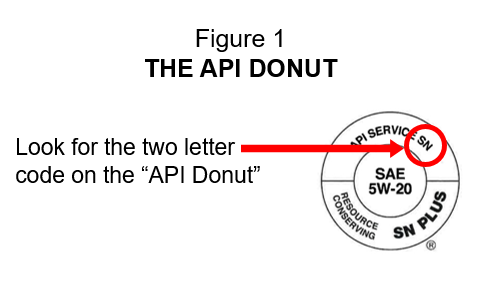
Some Engine Oils Currently on the Shelves Can Harm Your Engine - Read the Labels! There are engine oils currently on the shelves at auto parts stores, gas station convenience stores, food stores, and other retail outlets that can cause harm to your car’s engine. Yes, you heard correctly - Cause harm to your car’s engine. These are obsolete engine oils formulated for use in cars built prior to the 1930s! Know how to read the labels on the front and back of the bottles of oil you buy or you may be using product that can cause unsatisfactory performance or harm to your engine. The service rating of passenger car and commercial automotive motor oils is classified by the American Petroleum Institute (API). The program certifies that engine oil meets certain Original Equipment Manufacturer (OEM) quality and performance standards. The service rating is shown in the API "Service Symbol Donut" on the product label. As shown in the illustration below, engine oils with an API SA Service Classification were formulated for use in cars built prior to 1930, and are now obsolete. Yet, there are still not hard to find in retail outlets. Read on about what you need to read on the labels.
API SERVICE CLASSIFICATION FOR PASSENGER CAR ENGINE OIL
Read the Labels! |
|||||||||||||||||||||||||||||||||||||||||||||||
|
|||||||||||||||||||||||||||||||||||||||||||||||

The Petroleum Quality Institute of America is able to serve buyers and consumers of lubricants in part through the support of
lubricant manufacturers, marketers, and others. Please contact us at the link below if you too would like to sponsor PQIA's efforts to help assure the quality of lubricants in the marketplace.
Click here to contact us about how you can help supporter PQIA's
efforts
or call us at
732-201-4033